Today’s customers have multiple touchpoints with a brand, and they expect all interactions and offers between each touchpoint or channel to be seamless and personalized. No matter how challenging it may seem to manage all customer interactions in this way, Architect provides all the capabilities for cross-platform omnichannel customer journeys out of the box.
This article explains the following:
- What is cross-platform?
- Why is it important?
- Multi-channel vs omnichannel
- Advantages of a cross-platform omnichannel journey
What is cross-platform?
A platform is a digital or virtual environment, such as a website, mobile application, CRM, call center, or offline store, where users can land, take action, and have their data stored.
Architect provides cross-platform journeys with a sophisticated and unified user tracking system. It means it can continuously track users' behaviors across multiple platforms, process the data, and enable you to design your journey and take actions to boost conversions.
Why is it important?
Research indicates that 90% of users engage with your brand across multiple platforms. Understanding users better creates a significant opportunity for you to provide them with a robust and seamless experience that can add more value for them.
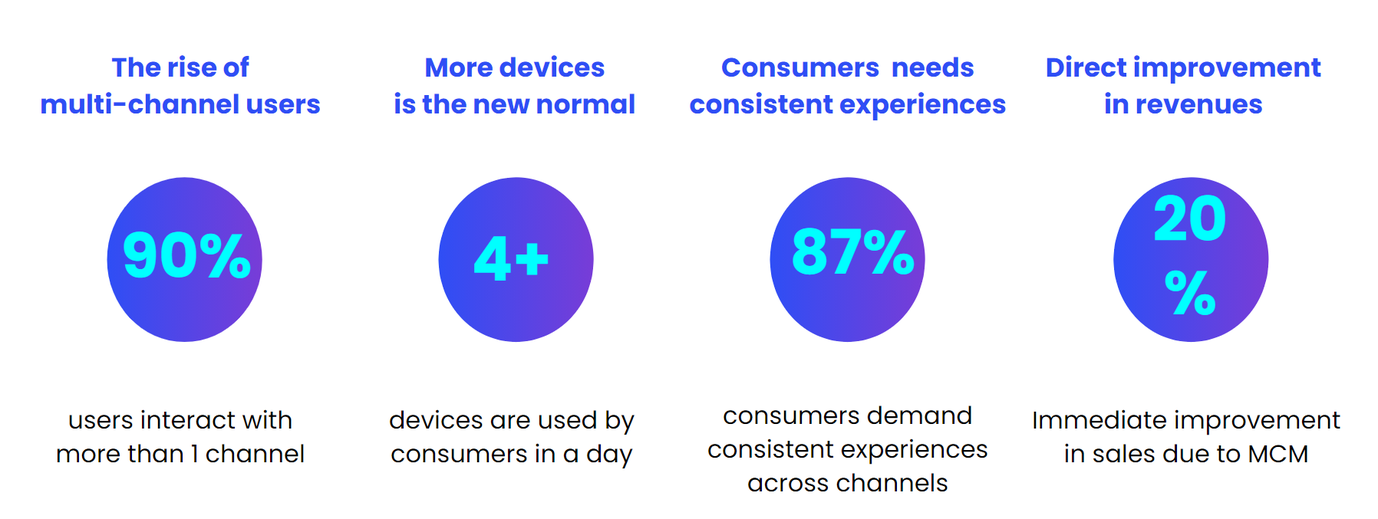
See Google's review on user behavior here.

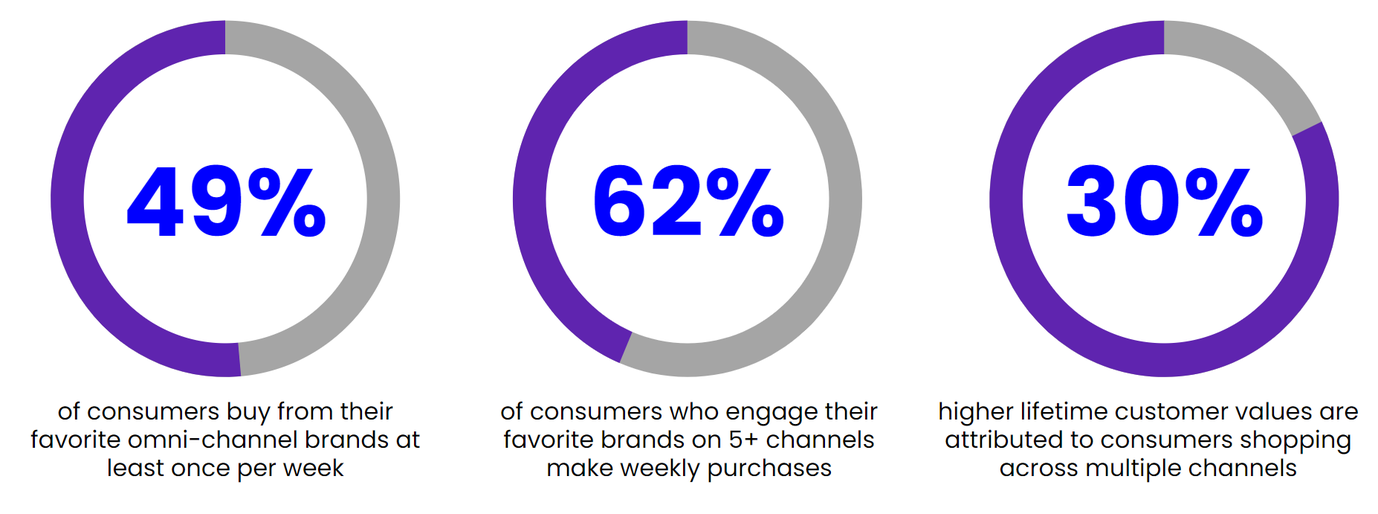
Harvard Business Review states that customers of omnichannel companies are more valuable on multiple counts. They spend an average of 4% more on every shopping occasion, and 10% more online than single-channel customers. Furthermore, as a company expands its presence on additional channels, it increases the revenue generated by its average customer.
Multi-Channel vs. Omnichannel
Omnichannel and multichannel are two different marketing strategies, even if both utilize more than one channel. Although they may appear the same at first glance, they have significant differences that impact your brand strategy and customer experience.
Multichannel marketing focuses on engaging with customers through multiple channels, with each channel playing its distinct role. In this case, channels are treated individually.
Omnichannel marketing focuses on providing an integrated customer experience across all channels, allowing users to interact with the brand through multiple channels throughout the customer journey. As customers switch platforms, their experience remains consistent and seamless across different channels.
Advantages of a cross-platform omnichannel journey
- It increases the amount of revenue generated by its average customer.
- It creates brand consistency across the channels.
- It increases the reliability of your brand and customer loyalty.
- It helps you deliver a streamlined customer experience.
- Its holistic analytics enable you to evaluate the entire customer journey flow, including all channels and platforms.
- All customers' data is up-to-date, no matter where the data comes from (e.g., website, mobile app, CRM, or any outsourced tool).
- It is easy to integrate further channel personalizations.