Suggested Reading: Understanding Events and Attributes
Default events and attributes are the user events and attributes that Insider defines for your account in advance. These events and attributes are determined based on the requirements of Insider’s products, and the common user behavior and actions.
Once you complete the Basic SDK setup and confirm the default and/or custom events, event parameters, and attributes that you will use for your campaigns and use cases with your Insider Product Onboarding Specialist, you can start creating them on the Attributes and Events page.
Events & Event Parameters
The Events page provides the list of events and their parameters that you need to configure. You can implement the respective method with the help of Insider One's Test Lab.
Attributes
The user attributes that Insider allocates for your account in advance are default attributes.
The default device attributes are triggered once you complete the SDK setup and do not require any additional implementation from your end.
You can use these device attributes in your segmentations.
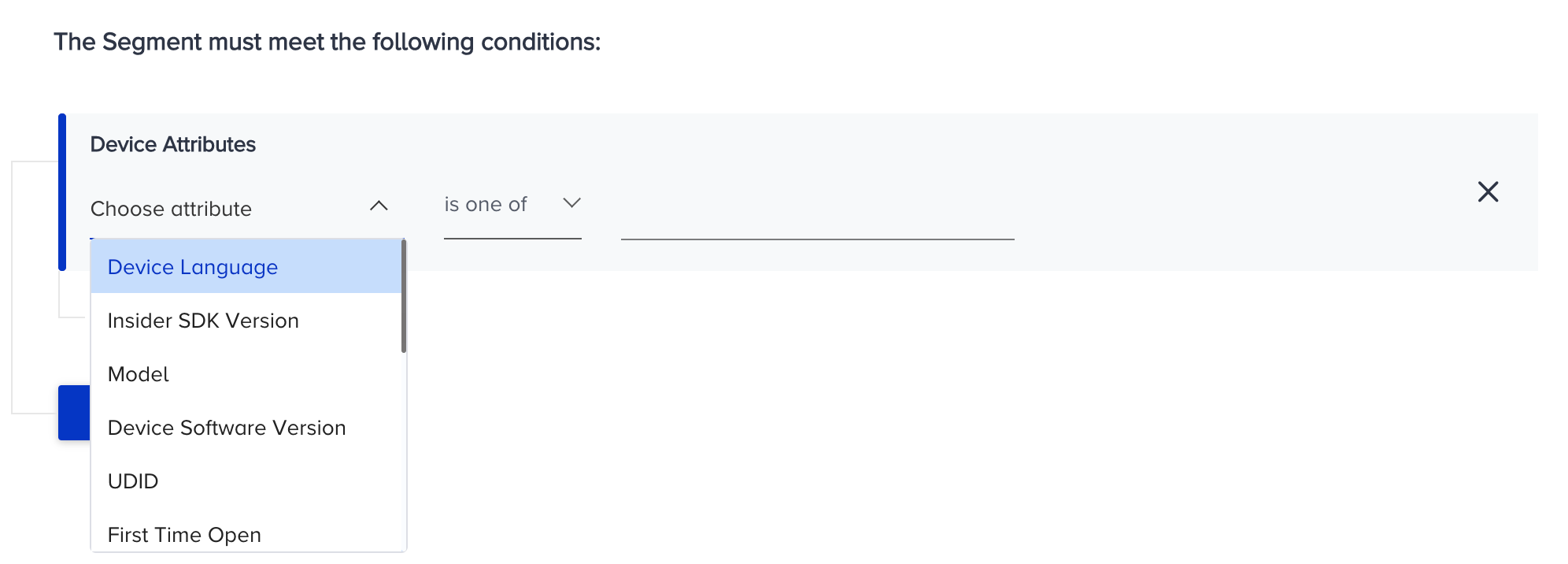
As a default attribute does not necessarily suggest that its value is automatically populated, you need to pass the required information for the values of the user attributes.
The user attributes are also the attributes associated with the User Object. You can use the user attributes in your segmentations.
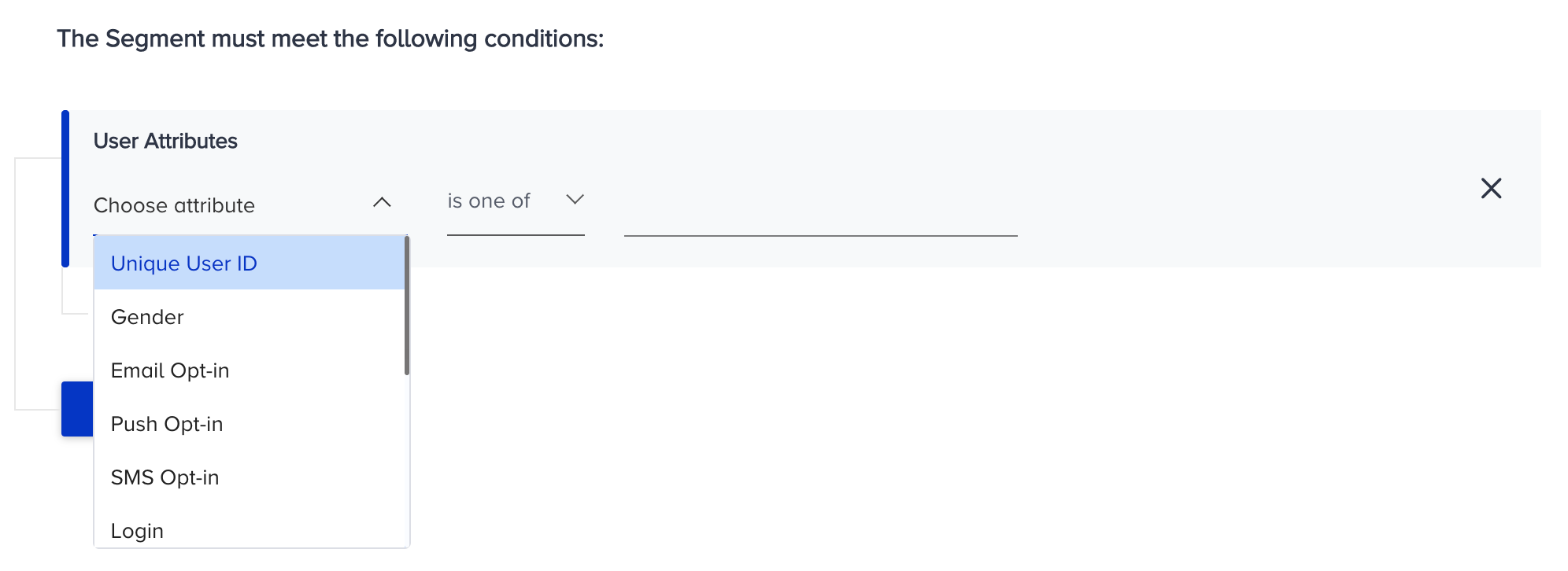
You can use the Test Lab to get the code for each attribute and implement it while completing the integration of the User Object.